
Memorial Day Death Wail Ceremony
Jenny Pacanowski
May 25, 2026
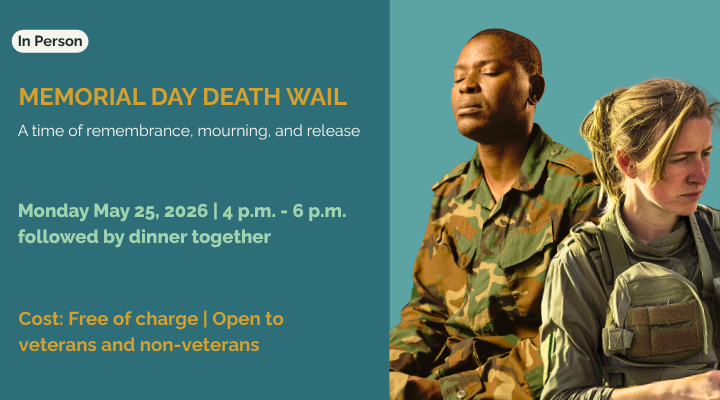
Join veterans Chris Antal and Jenny Pacanowski for a time of remembrance, mourning, and release on the contemplative sanctuary grounds at Cranaleith Spiritual Center. We will build our capacity to both care about the human and environmental costs of US wars, and care for ourselves, veterans and other after war survivors in our communities.
A call to action: In preparation for participating in this event, participants are asked to research the name and story of at least one non-US person casualty of US wars, and one US person casualty of US wars and come prepared to share those stories on Memorial Day.
After we remember together, Jenny will present a poem of mourning and Chris will lead a ceremonial death wail.
Why are we doing this ceremonial death wail event?
Jenny Pacanowski: As a veteran I was looking and searching for a way to release in community anger for myself the heaviness and loss of my military veterans to combat, suicide, addiction and incarceration.
Historical context: The “death wail” is a foundational human mourning ritual, with origins spanning ancient cultural practices of communal lamentation, often dating back to Paleolithic, Celtic, and Near Eastern traditions. It functioned as a vocal expression of grief, a way to process mortality, and a ritual to assist the deceased’s transition to the afterlife.
Key Historical & Cultural Origins
- Paleolithic Rituals (approx. 120,000 years ago): Anthropological evidence suggests that intentional, ritualized burials in places like Qafzeh Cave, Israel, included structured mourning behaviors to affirm social bonds, indicating a very early origin.
- Irish & Scottish Keening (Bean Chaointe): Known in Irish as caoineadh(meaning “crying” or “wailing”), this was a formal lamentation performed by women, often professional mourners, who sang funeral songs and wailed over the body.
- Mythological Origin (Banshee): In Irish folklore, the “death wail” is famously associated with the banshee (from bean sí or bean chaointe), a spirit or “fairy woman” who screams to warn families of an impending death.
- Ancient Near East & Biblical Tradition:The practice of “wailing women” is well-documented in the Bible (e.g., Jeremiah) as a response to trauma and death, often acting as a public, communal expression of grief.
- Oppari (Southern India): A traditional, ancient form of singing grief and eulogy for the dead in Tamil Nadu, practiced by female relatives.
- Ancient China: Wailing, or ku, was a formal part of funeral rites and in some cases a form of protest.
WikipediaPurpose of the Death Wail
The death wail served multiple functions, including:
- Catharsis: It served as a way to “cry out” grief publicly, allowing communities to process loss.
- Communal Support: It brought people together to share the burden of grief.
- Supernatural/Ritualistic: It helped in separating the deceased from the world of the living.
- Warning: In Irish mythology, the banshee’s wail acted as an omen of a pending, often sudden, loss.
About the Facilitator
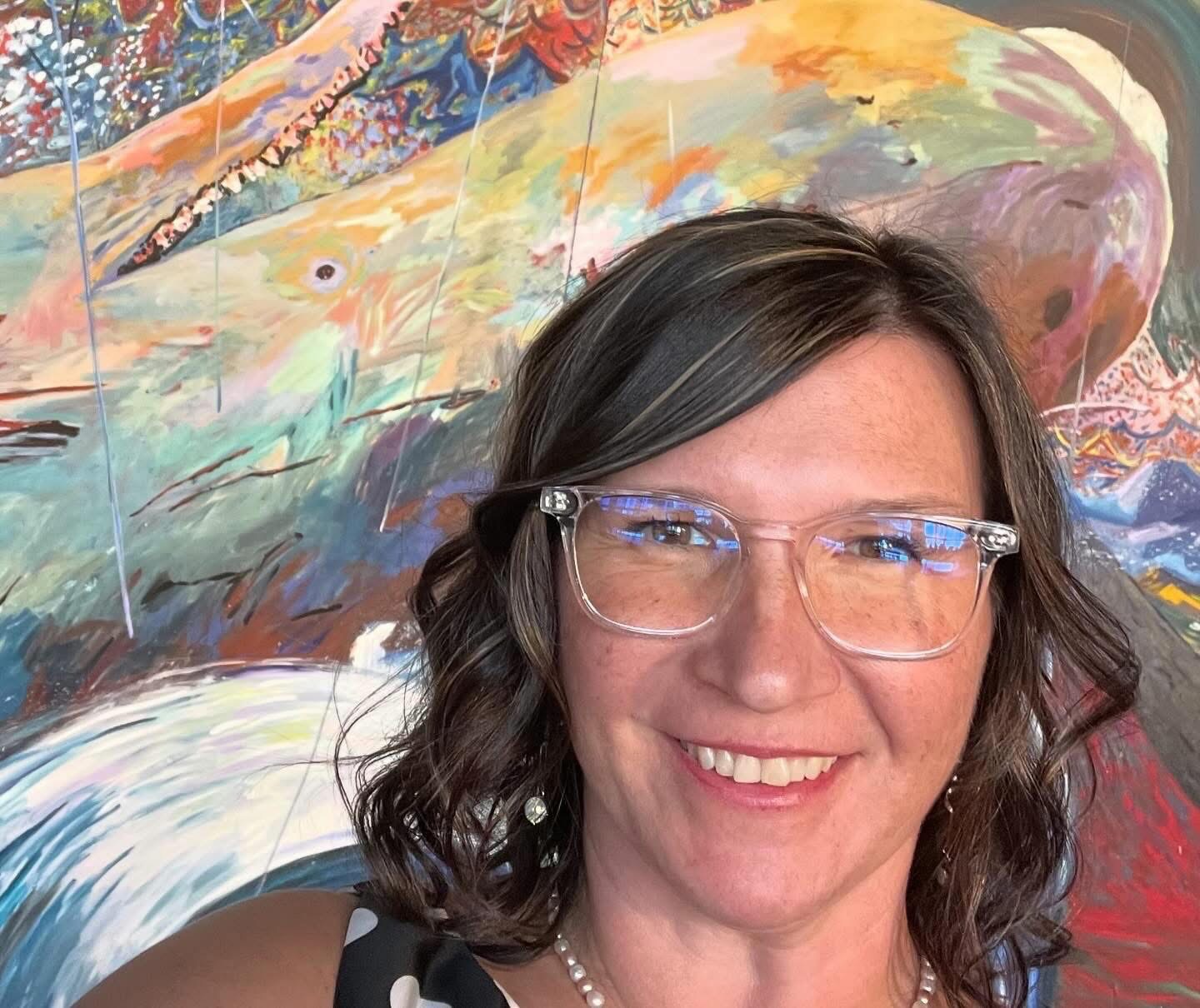
Jenny Pacanowski
Jenny Pacanowski is the Artistic Director and Curator of Women Veterans Empowered & Thriving, a reintegration program utilizing free writing and performance to empower experiences and facilitate skills to thrive in daily life. In the military, she served as a combat medic in Iraq and in a medical evacuation unit. Jenny was betrayed by the […]
Learn more about Jenny PacanowskiCategories : Calendar of Events, On Site Program, Programs